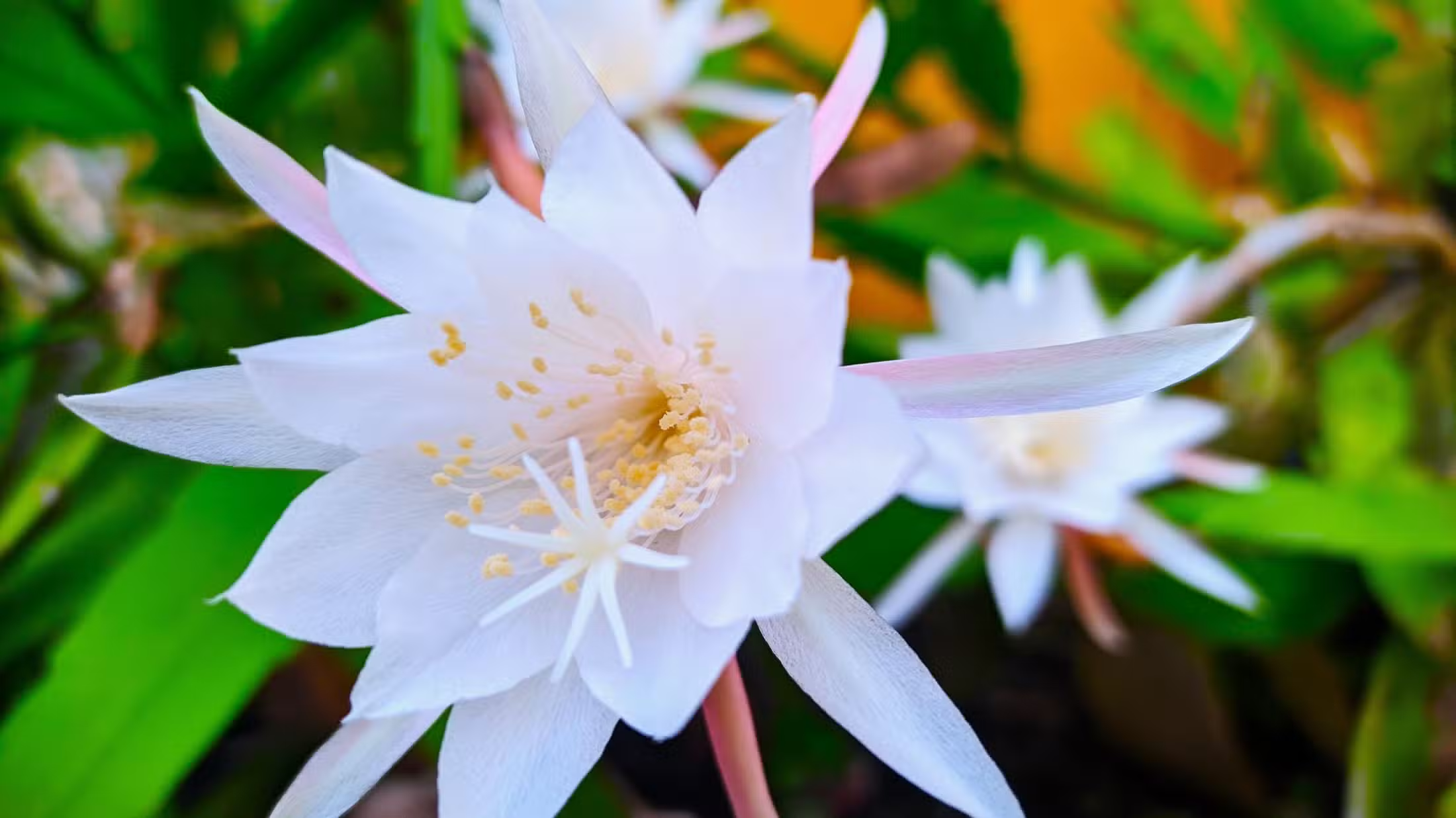
In the world of succulents and cacti, one plant stands out not just for its beauty but for its breathtakingly rare behavior — the Queen of the Night orchid.
Also known as Epiphyllum oxypetalum, this plant blooms only once a year, and only at night. By dawn, the flower withers, leaving behind only memories of its spectacular appearance and sweet fragrance.
Often mistaken for a traditional orchid, this night-blooming cactus is a true marvel that enchants gardeners and plant lovers around the world. Whether you’re an avid collector of succulents or just curious about rare plants, the Queen of the Night is one plant that deserves your attention.
In this post, we’ll explore everything you need to know about this elusive beauty — from its origin and symbolism to how to grow, care for, and even propagate it.
Origins of the Queen of the Night
Although it’s called an orchid, the Queen of the Night is not a true orchid — it belongs to the cactus family (Cactaceae), specifically the Epiphyllum genus. Native to the tropical rainforests of Central and South America, this epiphytic cactus naturally grows on tree trunks and branches, thriving in humid environments and partial shade.
It’s also known by other names:
- Dutchman’s Pipe Cactus
- Night-Blooming Cereus
- Brahma Kamal (in India, though the term is also used for Saussurea obvallata)
Its mysterious one-night-only bloom has inspired legends and rituals in cultures from India to Japan.
Why Is It Called “Queen of the Night”?
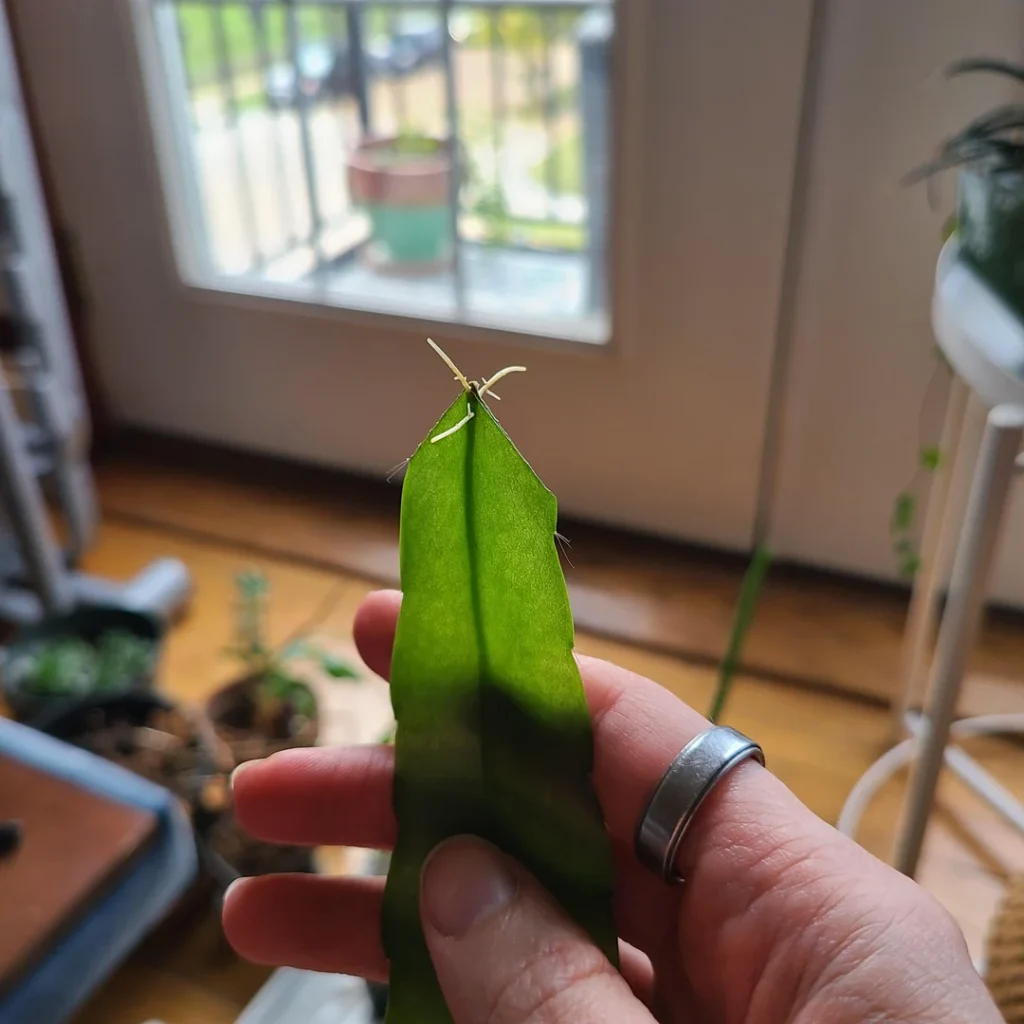
The name comes from its unique and magical blooming behavior. The Queen of the Night only opens its large, fragrant white flowers after dark, typically once a year, during warm summer nights. By morning, the flower has already wilted.
Characteristics of the Bloom:
- Blooming Time: Night, usually between 8 PM and midnight
- Duration: 5 to 7 hours
- Fragrance: Sweet, jasmine-like scent
- Size: Flowers can reach 6–12 inches in diameter
- Color: Bright white petals with soft yellow stamens
Many plant enthusiasts hold “blooming parties” to witness this once-in-a-year event.
Physical Description
| Feature | Description |
|---|---|
| Botanical Name | Epiphyllum oxypetalum |
| Common Names | Queen of the Night, Night-Blooming Cereus |
| Plant Type | Epiphytic cactus |
| Bloom Time | Summer nights, once or twice a year |
| Flower Color | White |
| Growth Habit | Sprawling, with flat leaf-like stems |
| Height | 3 to 10 feet (in ideal conditions) |
Despite its exotic appearance, the Queen of the Night is relatively easy to care for — as long as you understand its tropical needs.
How to Grow Queen of the Night at Home
Growing the Queen of the Night at home is both rewarding and exciting. With a bit of patience, you could witness its spectacular bloom right in your living room or garden.
☀️ Light
- Prefers bright, indirect light
- Can tolerate morning sun, but avoid harsh afternoon rays
- Ideal for east-facing windows or shaded balconies
️ Temperature & Humidity
- Thrives in warm climates (65–85°F / 18–30°C)
- Sensitive to frost and sudden temperature drops
- Prefers moderate to high humidity, similar to its rainforest origin
Watering
- Water when the top 1–2 inches of soil feel dry
- Avoid waterlogging — overwatering can lead to root rot
- In winter, reduce watering to once every few weeks
Soil
- Use a well-draining cactus or succulent mix
- You can DIY your mix using:
- 2 parts cactus soil
- 1 part perlite or pumice
- 1 part orchid bark or coco coir
Fertilization
- Use a balanced liquid fertilizer (e.g., 10-10-10) once every 4 weeks during the growing season (spring and summer)
- Do not fertilize in winter
How to Encourage Flowering
Getting your Queen of the Night to bloom can be tricky, especially for new plants. Here are tips to boost your chances:
- Mature Plant: It usually takes 3–5 years to bloom for the first time
- Bright Indirect Light: Essential for flower bud formation
- Dry Periods: Letting the plant go slightly dry can mimic natural stress and trigger blooming
- Avoid Repotting Frequently: The plant blooms better when slightly root-bound
- Do Not Disturb Buds: Once buds form, avoid moving or rotating the pot
Propagation: Sharing the Beauty
Propagation is a simple and effective way to grow new Queen of the Night plants.
Step-by-Step Guide:
- Cut a Healthy Stem: Use clean scissors to snip a 6–8 inch segment
- Let It Callous: Allow the cut end to dry for 4–5 days
- Plant in Dry Soil: Place upright in cactus mix; water lightly after 5–7 days
- Keep in Bright Shade: Avoid full sun until new growth appears
- Wait Patiently: Roots will form in 2–6 weeks
Propagation is best done during spring or early summer.
Queen of the Night vs Brahma Kamal
Although both are night-blooming and have similar spiritual significance in Indian culture, they are botanically different:
| Feature | Queen of the Night (Epiphyllum) | Brahma Kamal (Saussurea obvallata) |
|---|---|---|
| Family | Cactaceae | Asteraceae |
| Bloom Time | Night | Night |
| Habitat | Tropical | Himalayan high altitudes |
| Appearance | White fragrant flower | Dome-like white flower |
Still, both are celebrated in Hindu mythology and considered sacred.
♂️ Spiritual & Cultural Symbolism
The Queen of the Night is not just a plant — it’s a spiritual symbol.
In India:
- Called Brahma Kamal, symbolizing Lord Brahma (the creator)
- Said to bring good luck and spiritual blessings
- People make wishes while it blooms
In Other Cultures:
- Associated with mystery, rarity, and divine timing
- Symbolizes transience — the fleeting beauty of life
- Often featured in poetry and folklore
Witnessing its bloom is often described as a deeply emotional or meditative experience.
Common Issues and Their Fixes
| Problem | Cause | Solution |
|---|---|---|
| Yellowing Stems | Overwatering | Let soil dry; use a pot with drainage |
| No Blooms | Insufficient light or nutrients | Improve lighting, fertilize monthly |
| Dropped Buds | Stress or pot movement | Avoid touching/moving once buds appear |
| Mealybugs/Aphids | Pests | Use neem oil or insecticidal soap |
Fun Facts About Queen of the Night
- The flower has inspired songs, poems, and legends around the world
- It is sometimes called the “ghost flower” due to its eerie bloom
- The bloom’s fragrance is said to attract pollinators like moths and bats
- In some varieties, the fruit is edible and similar to dragon fruit
Why Plant Lovers Adore It
The Queen of the Night is not your everyday cactus. It’s:
- Low-maintenance once established
- Visually stunning
- Spiritual and culturally rich
- Easy to propagate and share
Its bloom is something you don’t just see — you feel it.
Final Thoughts
If you’re a lover of succulents and cacti, the Queen of the Night is a must-have in your collection. It offers not just rare beauty, but a transformative experience — one night of wonder that will leave you in awe.
Grow it with care, patience, and a little bit of love, and you’ll be rewarded with one of the most spectacular sights in the plant kingdom.