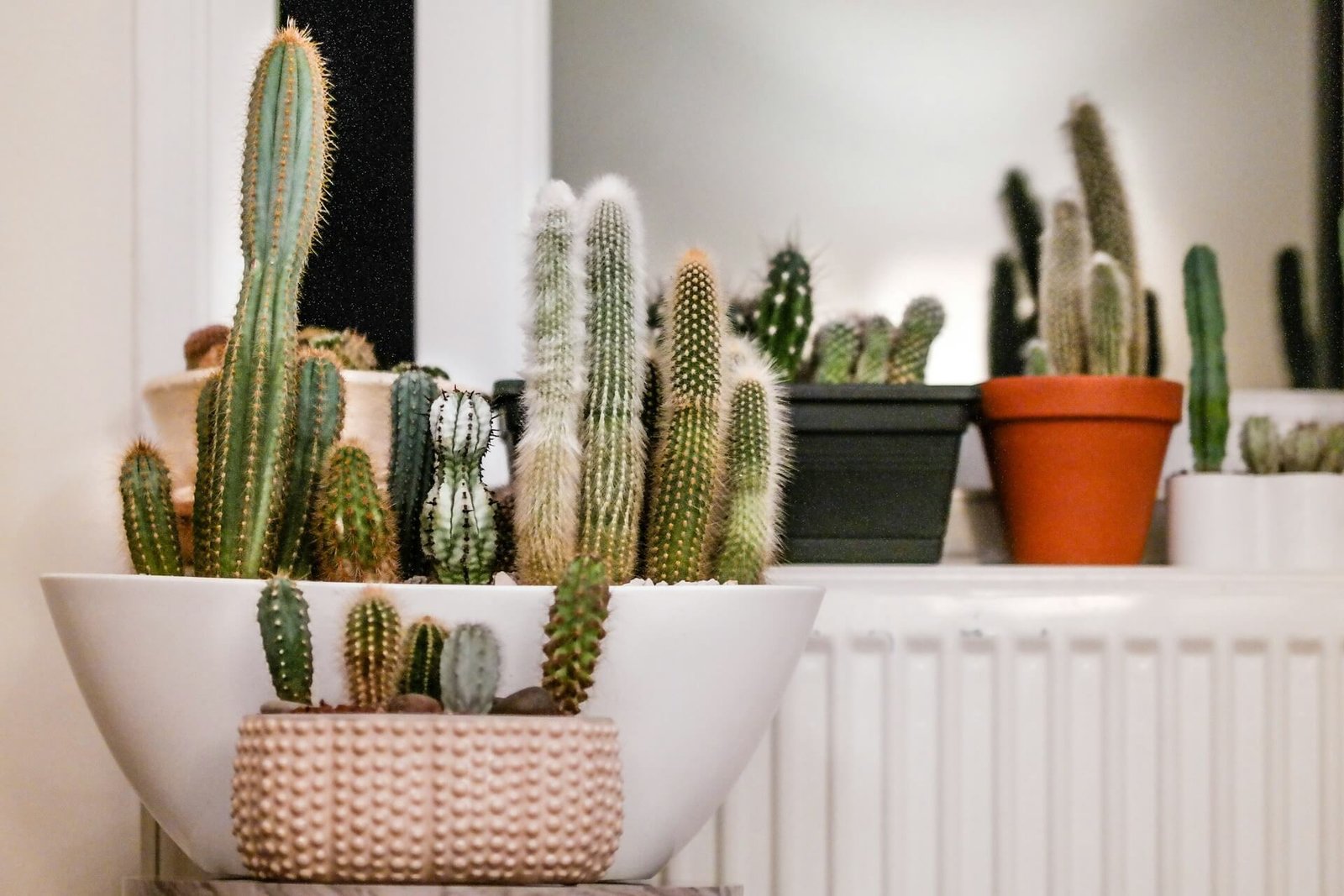
Cacti are no longer just desert plants. They’ve made their way into our homes—sitting on windowsills, hanging in macrame planters, and standing tall in cozy corners.
If you live in an apartment and want a low-maintenance green buddy that thrives in your limited space, then cacti are your best bet.
But despite their rugged desert origins, cacti do need a bit of love, especially when living indoors.
This guide is packed with everything you need to know about cactus care tips for apartments—from choosing the right variety to dealing with sunlight challenges, proper watering, and keeping pests away.
Whether you’re a beginner or just looking to step up your plant game, you’ll find actionable advice to help your cactus thrive in your apartment.
Why Cacti Are Perfect for Apartment Living
Before we dive into care routines, let’s take a look at why cacti are an ideal houseplant for small-space living:
- Low Maintenance – Cacti thrive on neglect. No daily watering, no complex feeding schedules.
- Air Purifiers – Some species help purify indoor air and improve air quality.
- Space-Saving – Most varieties grow slowly and remain compact for years.
- Decorative Appeal – Their sculptural forms match any aesthetic, from boho to modern.
- Durability – Cacti are incredibly resilient, adapting well to a range of indoor conditions.
Many urban plant lovers start their green journey with a cactus—and for good reason.
Choosing the Right Cactus for Apartment Life
Not all cacti are well-suited to apartment environments. Choosing compact, low-light-tolerant species will ensure success. Here are some excellent apartment-friendly options:
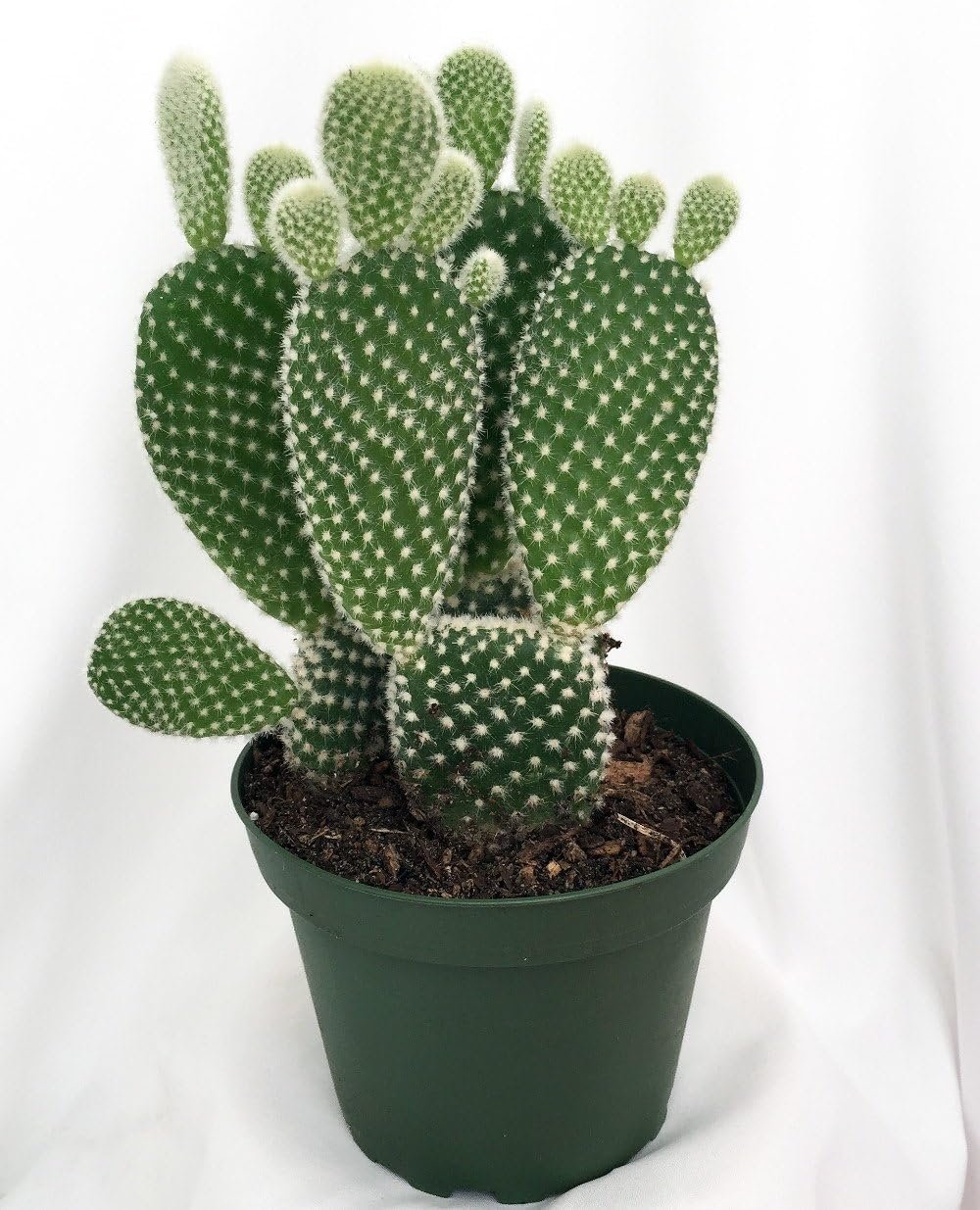

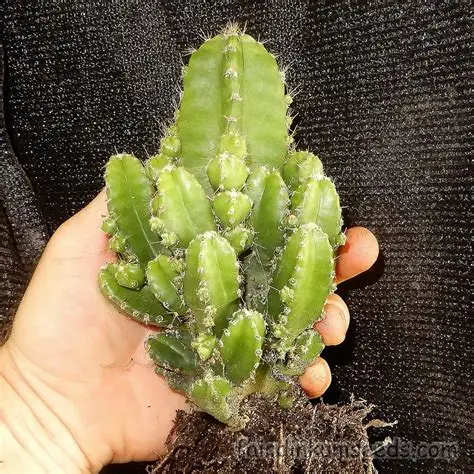
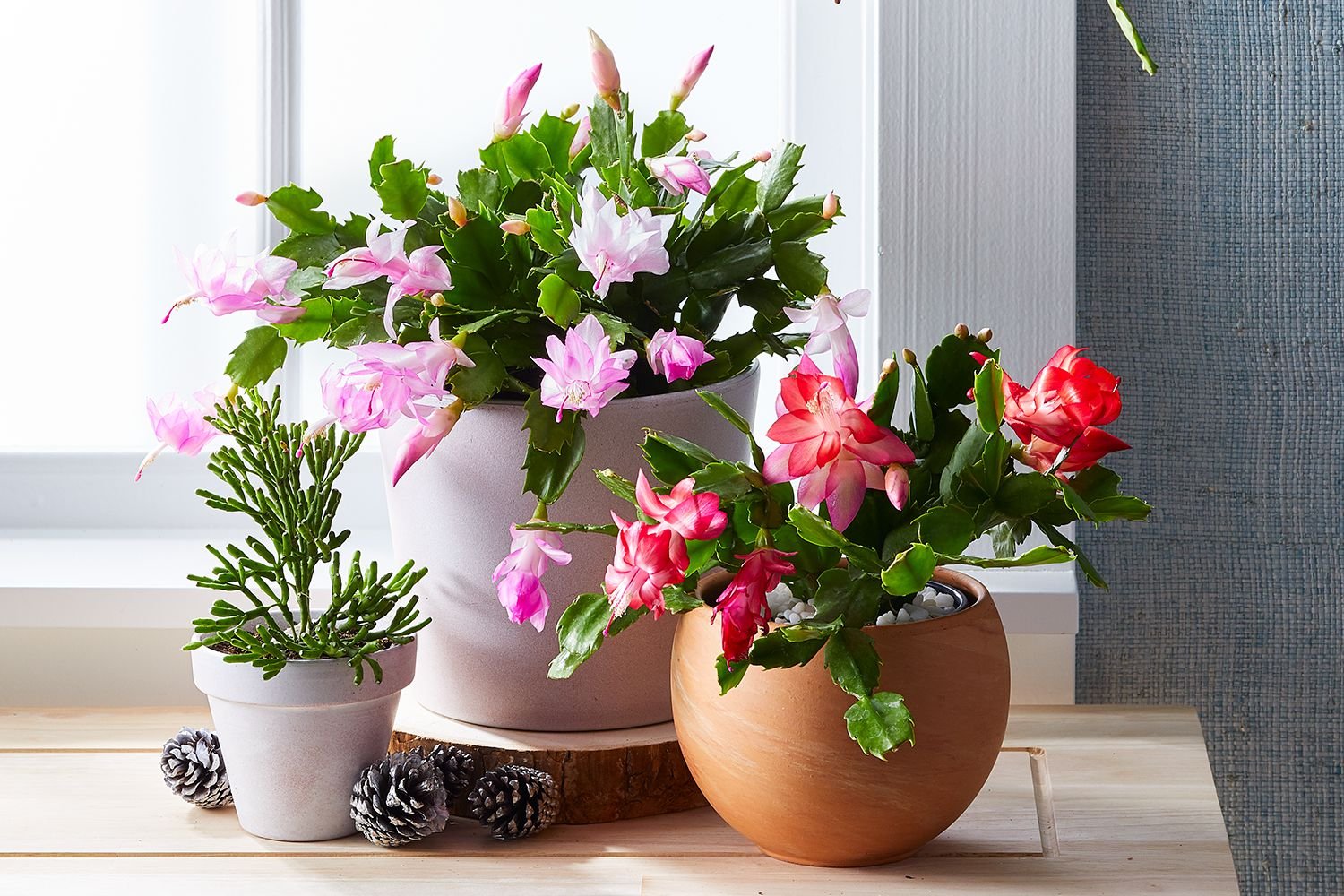
1. Bunny Ear Cactus (Opuntia microdasys)
Cute, fuzzy pads shaped like rabbit ears. This plant thrives in bright light and rarely outgrows a small pot.
2. Golden Barrel Cactus
A rounded species with golden spines. It’s visually striking and needs minimal watering.
3. Fairy Castle Cactus (Acanthocereus tetragonus)
Tall, columnar growth resembling turrets makes this a showstopper. Great for vertical space.
4. Christmas Cactus (Schlumbergera)
This spineless, flowering cactus does well in indirect light and slightly higher humidity. It’s also pet safe.
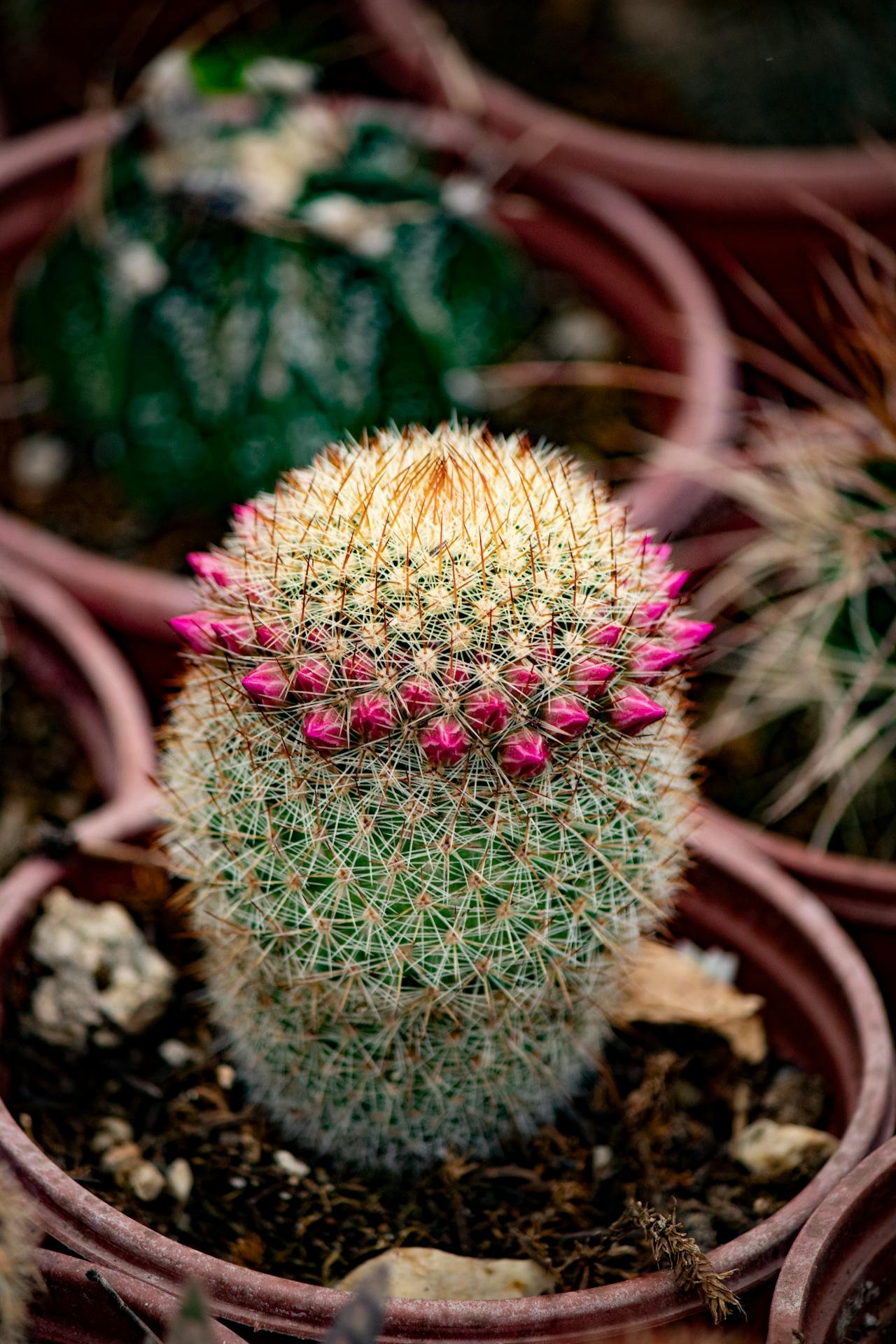
5. Mammillaria
Small and round with tiny flowers in spring. Perfect for beginners and shady windows.
These varieties offer manageable size, visual variety, and indoor adaptability.
Lighting: Let There Be (Filtered) Light
Light is crucial to healthy cacti. Natural desert dwellers, they crave sunlight—but indoor conditions are rarely ideal. So how do you make it work?
Place your cactus near a south-facing window for the best sun exposure. If that’s not possible, west-facing is your next best option. If direct light causes scorching, use sheer curtains to soften intensity.
For low-light apartments, consider using a full-spectrum LED grow light. These are affordable and replicate natural sunlight.
Tip: Rotate your cactus once a week to prevent it from leaning toward the light source.
Warning: Lack of light leads to etiolation—the cactus stretches, becomes pale, and loses its shape.
Watering: Less Is More (Seriously)
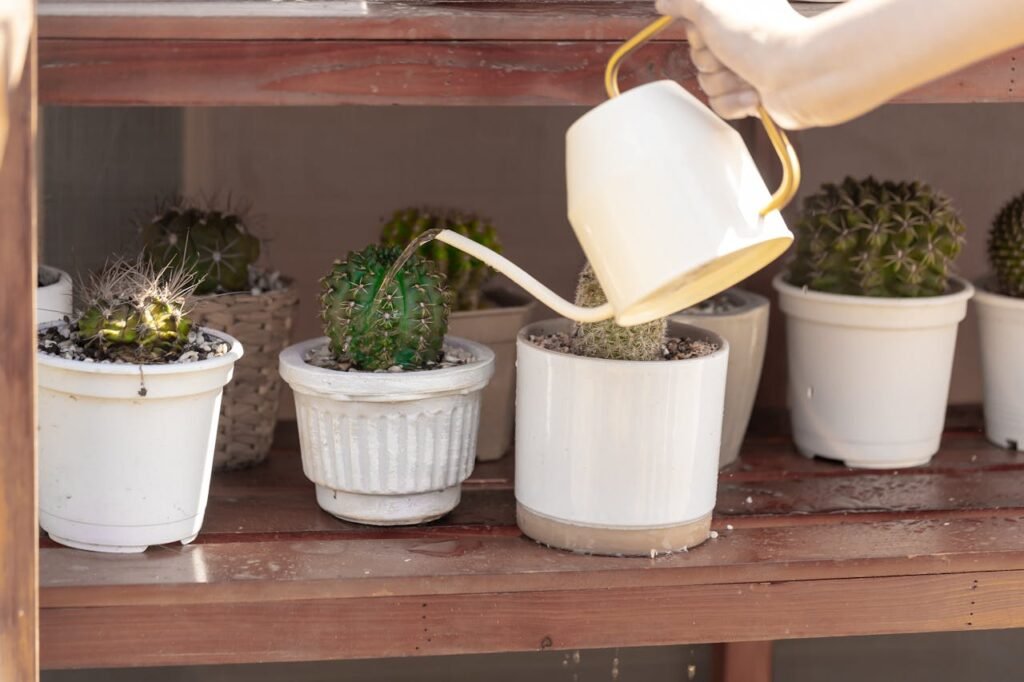
If there’s one rule to remember about cactus care tips for apartments, it’s this: don’t overwater. More cacti die from excess water than from drought.
Let the soil dry out completely before watering again. In active growing months (spring/summer), water every 2–3 weeks. In fall and winter, cut back to once a month—or less.
Always water until it drains freely from the bottom, then discard excess water. Never let your cactus sit in soggy soil.
Quick Check: Stick your finger an inch into the soil. If it feels dry, it’s watering time.
Soil: The Foundation of Success

Regular houseplant soil is too dense for cacti. They need fast-draining soil that allows roots to breathe and prevents rot.
Buy a pre-made cactus or succulent mix, or make your own:
- 2 parts potting soil
- 1 part perlite or pumice
- 1 part coarse sand
Avoid peat moss—it retains too much moisture.
Pro Tip: Top your soil with decorative gravel or sand to reduce moisture loss and discourage fungus gnats.
Temperature & Humidity: Stable and Dry
Cacti love stability. Fortunately, most apartment conditions fall within their ideal range.
Ideal Temperature:
- Day: 65°F to 85°F (18°C to 30°C)
- Night: No lower than 50°F (10°C)
Avoid exposing your cactus to freezing drafts, sudden heat from radiators, or overly humid areas like bathrooms.
Unlike tropical plants, cacti prefer dry air—making them a perfect match for air-conditioned or heated apartments.
Fertilizing: Light Feeding, Big Results
Cacti don’t need frequent feeding, but they benefit from light fertilization during their growing season.
Use a low-nitrogen cactus fertilizer once a month in spring and summer. Avoid feeding in fall and winter during dormancy.
If you’re unsure about which fertilizer to buy, look for one labeled for succulents or cacti with a ratio like 2-7-7. Overfeeding won’t help—it can actually cause weak, elongated growth.
Too much nitrogen can lead to weak, leggy growth—so go easy.
Potting and Repotting: When and How to Do It

Cacti like being slightly root-bound, so there’s no need to repot often. However, repotting may be necessary every 2–3 years or if:
- Roots grow through drainage holes
- The plant is top-heavy or outgrowing the pot
- Soil becomes compacted or moldy
Best pots for apartments:
- Terracotta pots absorb excess moisture and reduce overwatering risk.
- Always use containers with drainage holes.
After repotting, wait 5–7 days before watering to allow root wounds to heal.
Understanding Dormancy
Many cactus species enter a dormant phase in fall and winter. Growth slows, and watering needs decrease.
Dormant care:
- Water sparingly—once a month or less
- Stop fertilizing
- Keep in a cool, bright location
- Don’t panic if your cactus doesn’t grow—it’s resting
Trigger Dormancy: 6 weeks at 50-55°F (10-13°C) with 75% less water for spring blooms.
Respecting dormancy helps support better blooming and long-term health.
Blooming Indoors: Is It Possible?
Yes! Some cacti will bloom indoors under the right conditions, especially after a proper dormant period.
Encourage blooming by:
- Providing ample sunlight or consistent grow lighting
- Observing dormancy in winter
- Using a bloom-boosting fertilizer in spring
Temperature variation—cooler nights and warmer days—can mimic seasonal cues. When buds appear, resist the urge to move the plant, as relocation may cause them to drop.
Fun Fact: Some cactus flowers bloom for just one night and release intense fragrance—like Selenicereus grandiflorus (Queen of the Night).
Indoor bloomers include Christmas Cactus, Rebutia, Gymnocalycium, and Echinopsis.
Propagation: Multiply Your Prickly Friends

Propagation isn’t just for plant experts—it’s a fun way to grow your cactus collection without spending more money. Whether you’re gifting to a friend or just want backup in case your original plant gets damaged, propagation is a rewarding skill to learn.
Some species like Mammillaria and Echinopsis produce pups frequently. Others like Opuntia are simple to propagate using pads.
How to Propagate:
- Use a sterilized knife to cut a pup or pad
- Let it callous over for 3–7 days
- Place in dry cactus soil
- Wait 1–2 weeks before watering
Once roots form, care for it like a mature plant. Great for gifting or expanding your indoor jungle.
Dealing With Pests: Small Space, Big Trouble
Even in clean apartments, pests happen. Keep an eye out for:
- Mealybugs (white fuzz near joints)
- Spider mites (tiny dots and webbing)
- Fungus gnats (buzzing around moist soil)
What to Do:
- Dab pests with alcohol-soaked cotton swabs
- Use neem oil or insecticidal soap
- Let soil dry completely to deter gnats
- Quarantine new plants for 7–10 days
Catch infestations early and act quickly to protect your collection.
Styling Cacti in Small Apartments
Cacti aren’t just plants—they’re decor statements.
- Group several small pots on a windowsill or shelf
- Try a tiered plant stand to showcase different sizes
- Use unique planters: teacups, concrete bowls, or recycled ceramics
- Mix with succulents for a diverse, desert-inspired display
- Add gravel, shells, or figurines for texture and color
Style your cactus corner based on light levels and accessibility.
Apartment Safety – Cacti and Kids or Pets
Cacti are low-maintenance and often non-toxic, making them great for apartments—but safety is still important when kids or pets are around. Most true cacti aren’t poisonous, but their spines can cause painful pricks or injuries, especially in tight spaces.
If you have curious pets or toddlers, it’s best to:
- Choose spineless varieties like Christmas Cactus or Rhipsalis.
- Keep spiny cacti on high shelves, wall planters, or hanging baskets.
- Avoid Euphorbia species like Pencil Cactus, which resemble cacti but contain toxic sap.
For extra caution, use decorative barriers or terrariums for tall or top-heavy cacti. A little planning makes it easy to enjoy a cactus collection without compromising on safety in small apartment settings.
Common Problems and Fixes
Even though cacti are tough, problems still crop up—especially indoors. Here’s how to spot and fix the most common ones:
- Mushy or yellowing stems? Overwatering. Repot with dry soil and let it recover.
- Stretching or leaning? Not enough light. Move to a sunnier spot or use a grow light.
- Wrinkled or shriveled? Underwatering. Give a deep soak and monitor recovery.
- Brown scabs or corking? Could be sunburn or aging. Cosmetic only unless soft or spreading.
- Not growing? Dormancy or insufficient care. Improve light, check soil, and fertilize if needed.
- Pups not growing? May need separation or a bigger pot.
Catch issues early and you’ll keep your cactus thriving.
Common Pests and Diseases
Cactus problems can arise from poor airflow or excessive moisture.
Watch out for:
- Soft rot from fungal infection
- Root rot from soggy soil
- Mite damage on new growth
Prevention is key: water less, use sterile tools, and ensure drainage.
Drought and Salt Tolerance
Cacti are drought kings—but tap water can leave salt residues in soil. Over time, this can harm your plant.
Tips:
- Use filtered or rainwater when possible
- Flush soil with extra water every few months to remove buildup
- Watch for white crust on soil as a warning sign
Invasiveness and Growth Rate
Cacti grow slowly and rarely outpace their pots. They aren’t invasive in containers, making them ideal for shared apartment living or roommate-friendly spaces.
Trailing types like Rhipsalis may need occasional trimming to prevent crowding, but overall, most stay compact.
Final Thoughts: Cactus Love in Small Spaces
Caring for a cactus in your apartment isn’t just about keeping a plant alive—it’s about building a space that feels alive. These resilient plants bring personality, peace, and presence into small spaces without demanding much in return.
By following these cactus care tips for apartments, you’ll set yourself up for success.
Whether you’re styling a tiny corner, lighting up a shelf, or experimenting with propagation, cacti offer a low-stress way to bring nature into your home.
FAQs
Q1: Can I grow cacti in a room without sunlight?
Yes, but you’ll need a grow light to replicate the sunlight they crave.
Q2: How do I know if my cactus needs water?
Stick your finger in the soil—if it’s completely dry, it’s time. When in doubt, wait a few more days.
Q3: Are all cacti safe for pets?
Most are non-toxic, but sharp spines can injure pets. Choose spineless or trailing varieties and keep spiny ones out of reach.