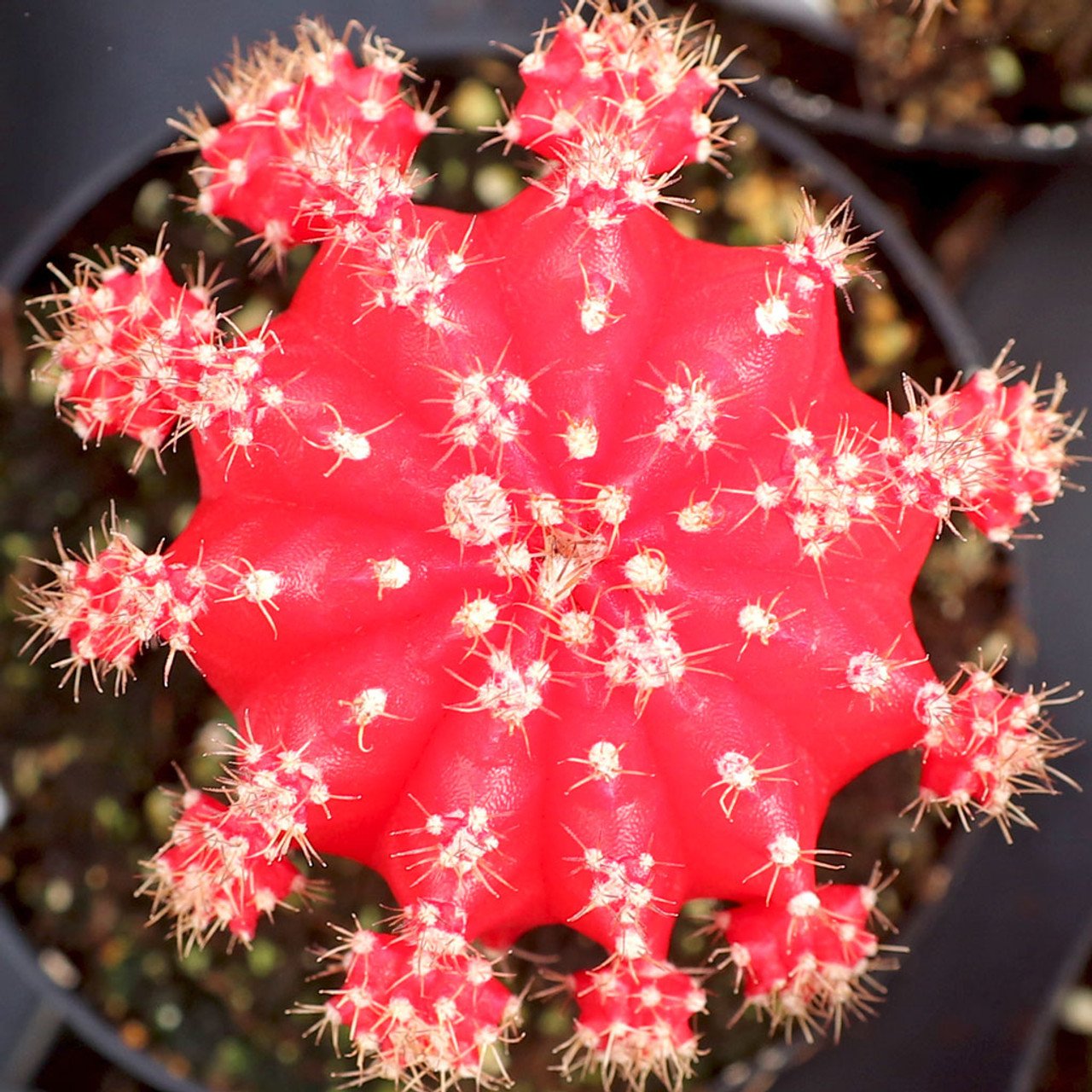
Caring for a moon cactus indoors is like keeping a tiny, vibrant sculpture on your shelf—bright, bold, and full of personality.
These whimsical plants, with their neon-colored tops and sculptural green bases, are a favorite among apartment dwellers and desk gardeners alike.
But don’t let their playful appearance fool you—they still need proper care to stay healthy and colorful inside your home.
Whether you’re already a moon cactus owner or thinking of getting one, this guide will walk you through everything you need to know about indoor cactus care—from lighting and watering to choosing the right pot and understanding how the grafted structure works.
What is a Moon Cactus?
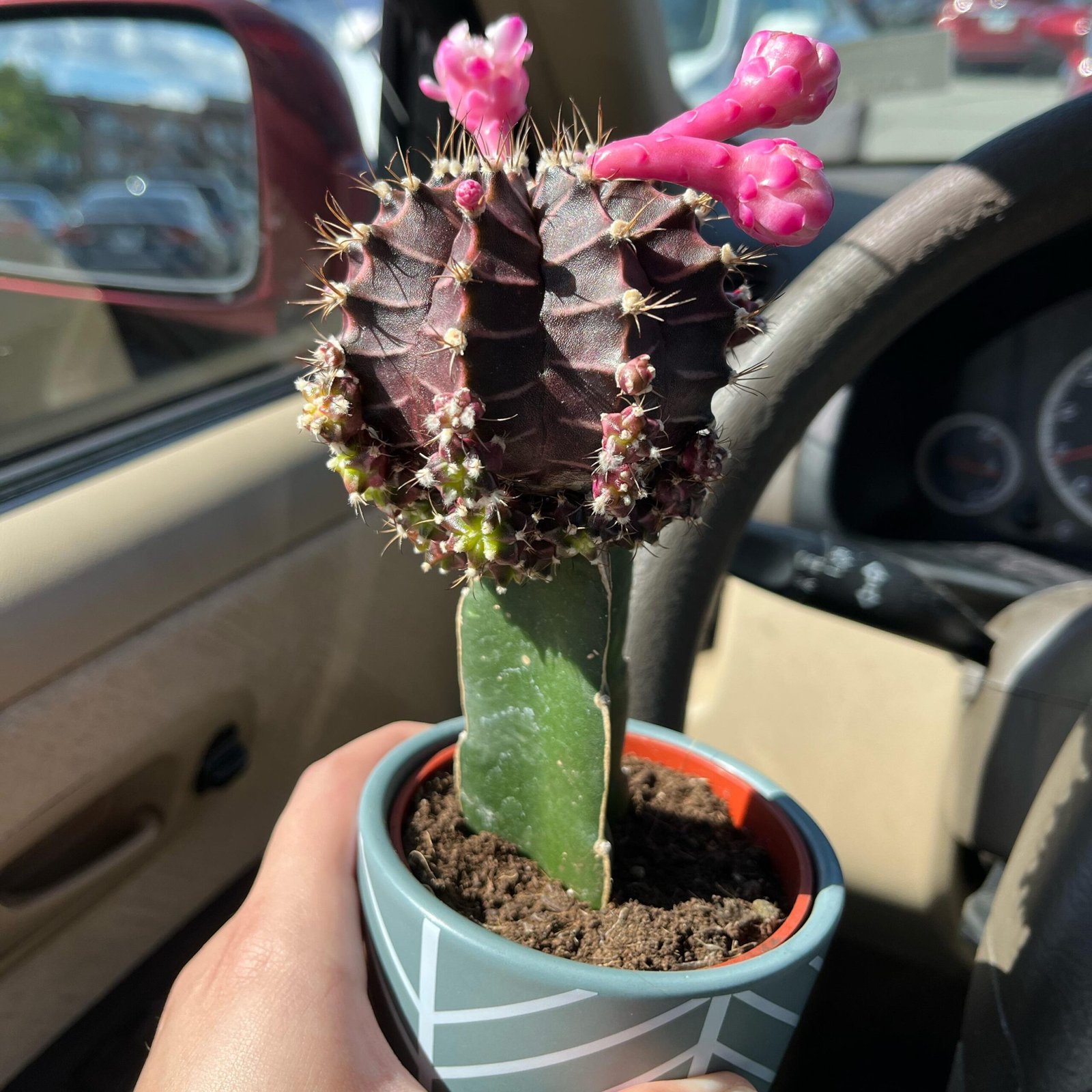
The moon cactus, or Gymnocalycium mihanovichii, is a unique plant that captures attention instantly with its brightly colored top—usually red, pink, orange, or yellow. But that pop of color isn’t natural on its own.
The top part of the cactus lacks chlorophyll and can’t survive alone.
That’s why it’s grafted onto a green base, usually from a species like Hylocereus, which supports it and provides photosynthesis.
So essentially, you’re taking care of two cacti in one, both with different needs but living together in a partnership.
The grafting makes it delicate, but with the right approach, it can thrive indoors for years.
Ideal Light Conditions Indoors
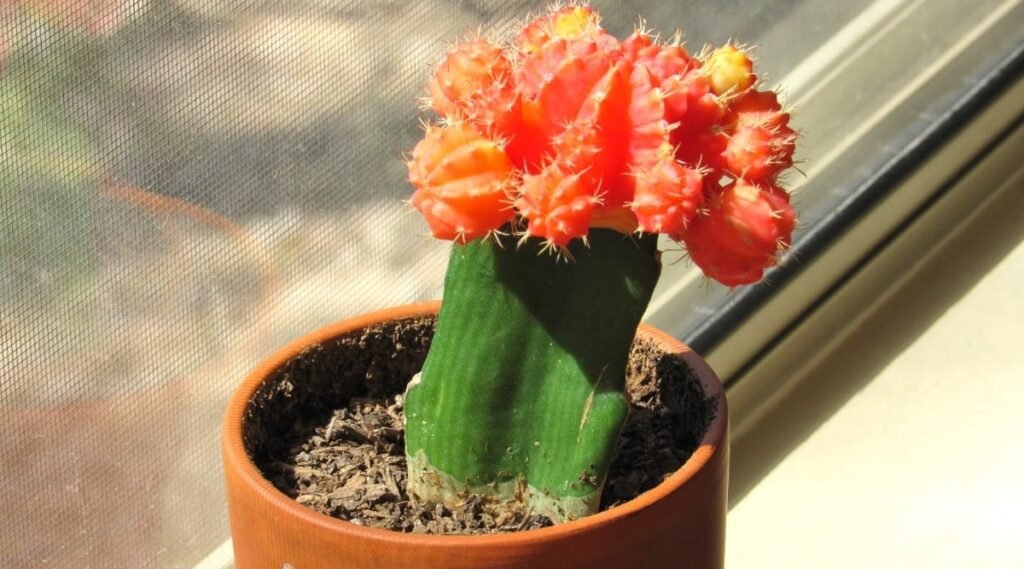
Unlike desert cacti that bask in full sun, the moon cactus prefers a bit of moderation when it comes to light—especially indoors.
It doesn’t need direct sunlight all day, but it still requires brightness to maintain its vivid colors and overall health.
Where to Place Your Moon Cactus
- Near a bright window: An east-facing or filtered south-facing window is ideal. These spots provide gentle morning sun or diffused afternoon light.
- Avoid direct harsh rays: Direct midday sunlight through glass can scorch the top of the cactus, especially in warmer months.
- Use grow lights if needed: In rooms without enough light, a small LED grow light placed a few inches away can supplement natural light.
Moon cactus tops may fade if the plant isn’t getting enough light, so keep an eye on any color changes or elongation in the green base, which could signal stretching for light.
Watering Moon Cactus Indoors
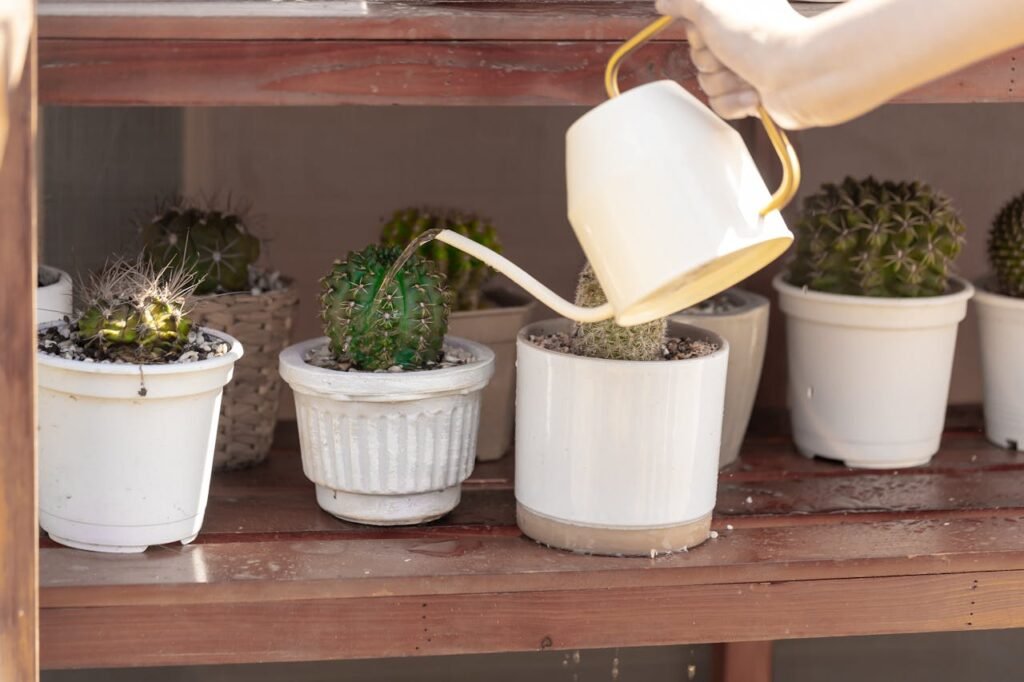
Watering is one of the trickiest parts of caring for any cactus indoors. Since moon cactus has a grafted top and a different rootstock, it’s even more important to strike the right balance.
When and How to Water
- Let the soil dry completely between waterings. Use your finger to check the top 2–3 inches of soil.
- Water thoroughly until it runs from the bottom (if using a pot with drainage), then let it dry again before the next drink.
- In spring and summer, watering every 2–4 weeks is usually enough.
- In winter, reduce watering dramatically—once every 4–6 weeks may be plenty.
Indoor Humidity and Watering
Even indoors, humidity can affect watering needs. Moon cacti dislike soggy conditions, and too much moisture can cause root rot or fungal issues. Make sure air is circulating well in the room, and avoid placing the cactus in an overly humid bathroom or kitchen.
Signs of Overwatering or Underwatering
- Soft, mushy base: You’ve overwatered—check roots immediately.
- Shriveled, dry top: Possibly underwatered or too much light.
- Brown spots or mold: Could be a mix of excess water and poor airflow.
Choosing the Right Pot and Soil
A moon cactus grown indoors needs both stylish and functional housing. Choosing the right pot and soil will directly impact its health and lifespan.
Best Pot Types for Indoor Use
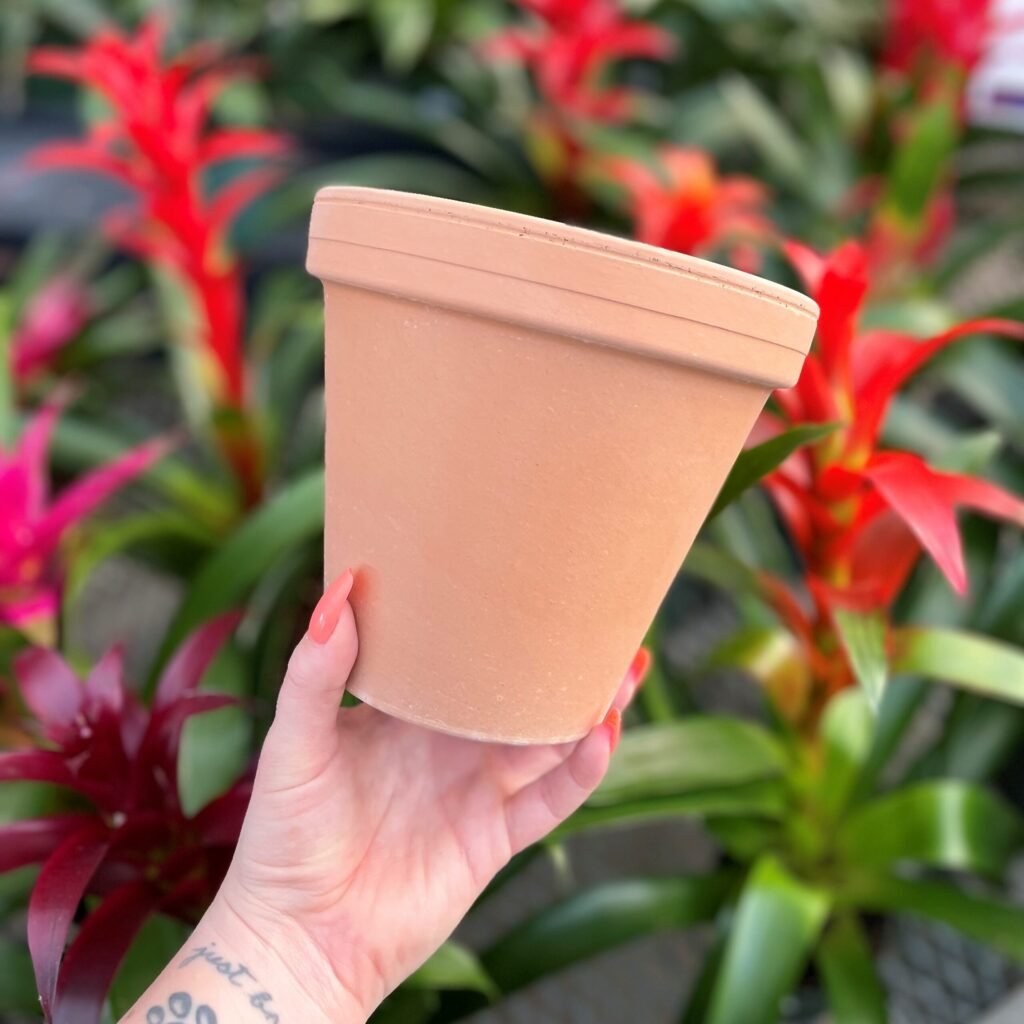
- Terracotta pots are breathable and wick away excess moisture—ideal if you tend to overwater.
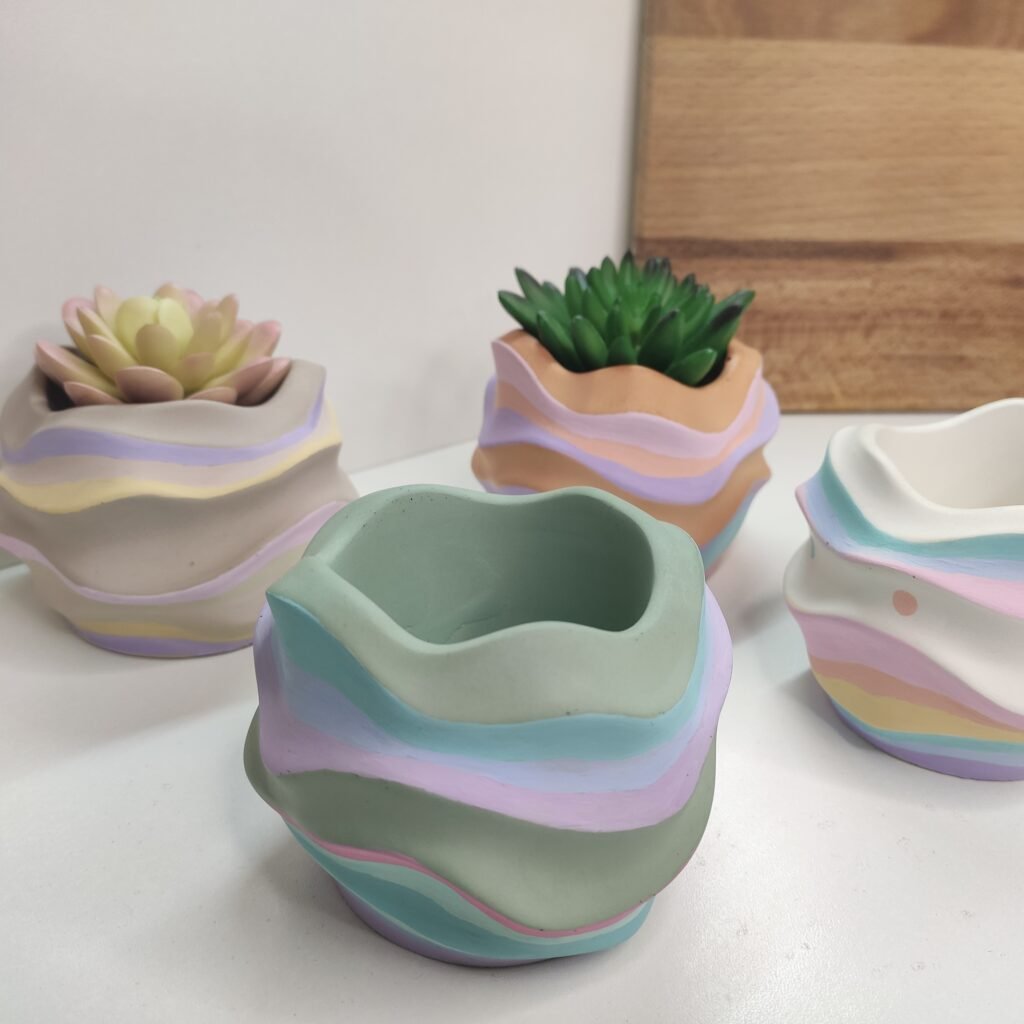
- Ceramic pots (with drainage holes) are a good decorative option for indoor settings.
- Avoid sealed glass pots or containers without drainage unless you’re experienced and careful with watering.
Can You Use Pots Without Drainage?
It’s not ideal, but if you do, place a gravel layer at the bottom, use a moisture meter, and water sparingly. However, this setup requires close monitoring and isn’t beginner-friendly.
Soil Requirements
Use a well-draining cactus or succulent mix, preferably amended with:
- Perlite or pumice for aeration
- Coarse sand for drainage
- A layer of charcoal to prevent mold (especially indoors)
Avoid regular potting soil as it holds too much moisture.
Temperature and Humidity Requirements
Moon cacti are tropical natives that prefer warmth but not extreme heat. Indoors, this makes them well-suited for climate-controlled environments, provided they’re not sitting in cold drafts or near heat vents.
Ideal Indoor Temperature Range
- 18–26°C (65–80°F) is optimal.
- They’re not frost-tolerant—keep away from cold windows in winter.
Humidity Concerns Indoors
Moon cacti prefer a dry environment, much like other cacti. Indoor spaces with humidifiers or poor ventilation can lead to issues like rot. Do not mist your cactus, and avoid clustering it too close to humidity-loving plants like ferns.
Fertilizing Your Indoor Moon Cactus
Feeding your moon cactus indoors isn’t a regular task, but doing it occasionally can help maintain the plant’s vigor and color.
How and When to Fertilize
- Apply a diluted cactus fertilizer once every 6–8 weeks during the growing season (spring to early fall).
- Avoid feeding during winter—your cactus is resting.
Best Fertilizer Type
- Choose a low-nitrogen cactus or succulent formula.
- Organic options like worm tea or seaweed extract can be used sparingly.
- Avoid overfeeding, which can cause distorted growth or root stress.
Common Indoor Problems and How to Handle Them
Despite being low-maintenance, moon cacti can face a few challenges indoors—especially when it comes to watering habits, lighting, and ventilation. Knowing what to look for can help prevent common issues.
Overwatering and Root Rot
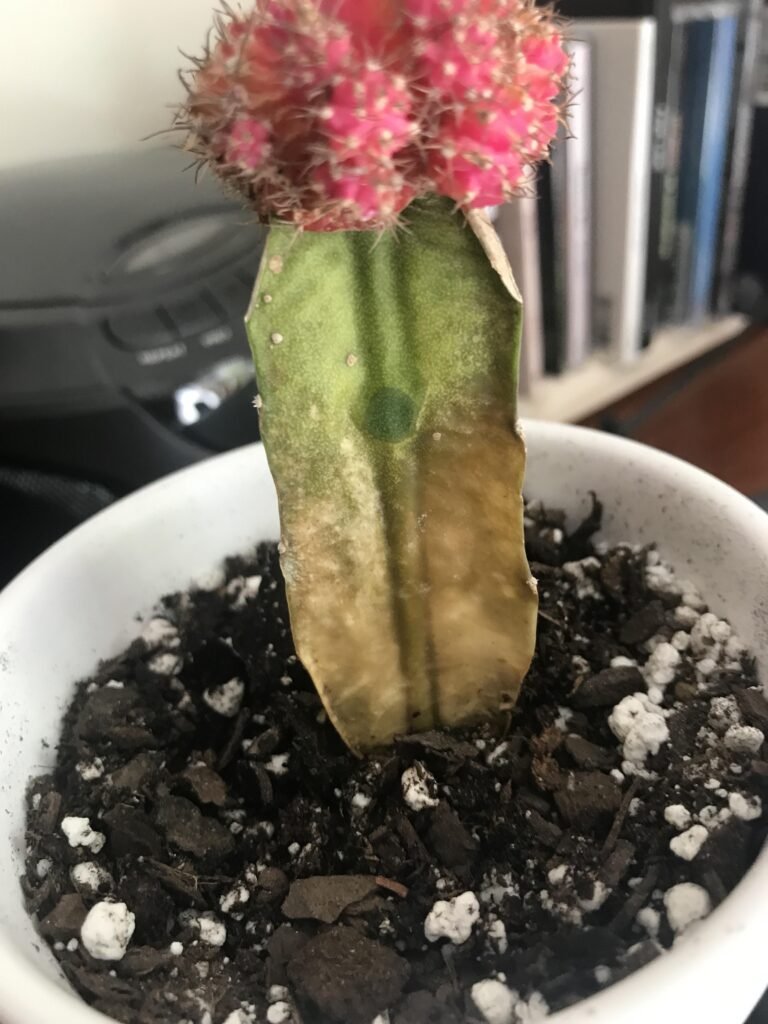
The number one issue indoors is root rot due to excessive watering or poorly draining soil.
Symptoms:
- Soft, brown or blackened base
- Foul odor from the soil
- Top part detaching or becoming mushy
Solution:
- Remove the cactus from the pot
- Trim away all blackened, mushy roots
- Let the plant dry out for 2–3 days
- Replant in dry, fresh cactus mix
Sunburn or Bleaching
Too much direct sun from a window, especially in hot regions, can bleach or burn the colored top.
Symptoms:
- Faded, pale color on top
- Crispy, dry patches
Solution:
- Move the plant to a location with indirect bright light
- Use a sheer curtain to filter sunlight
Pest Issues
Moon cacti are generally pest-resistant, but indoor settings can still attract:
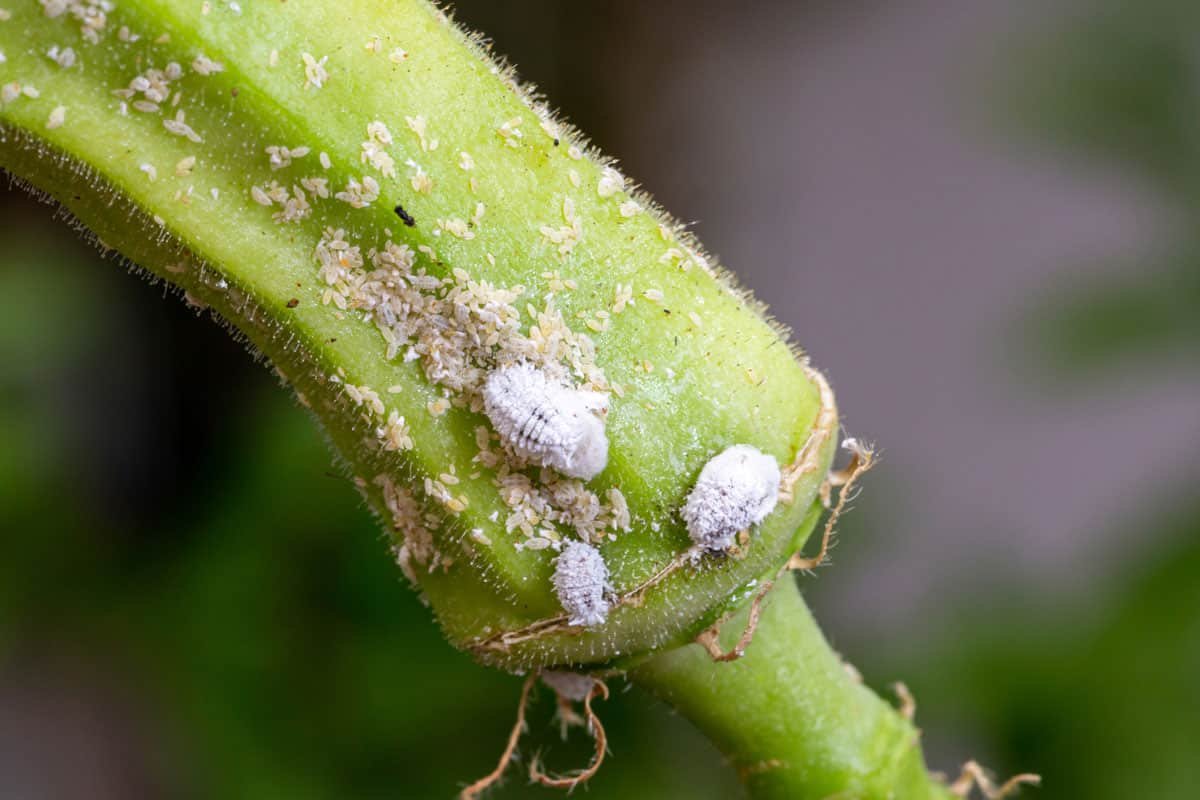
- Mealybugs (white fuzz)
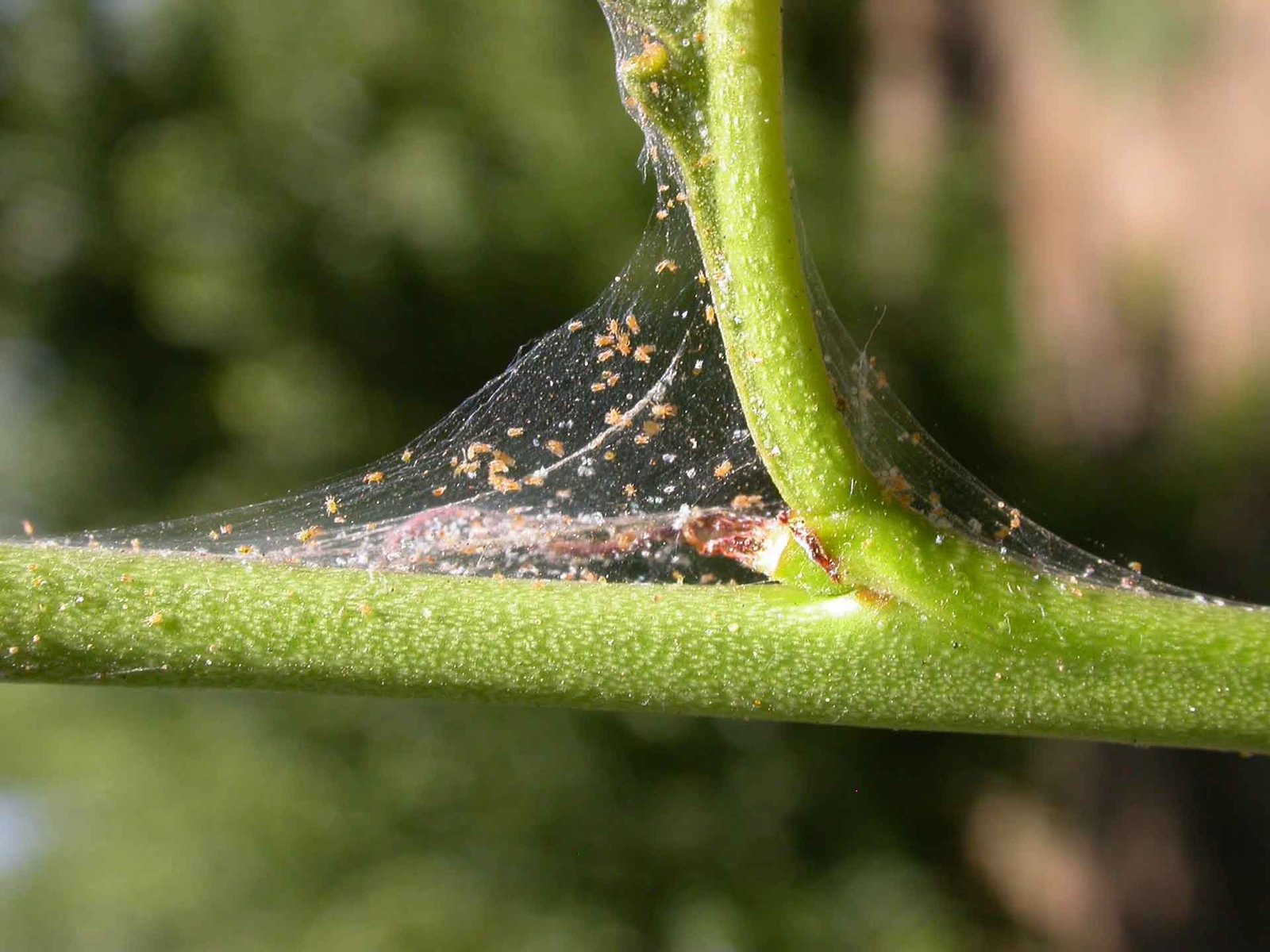
- Spider mites (fine webs)
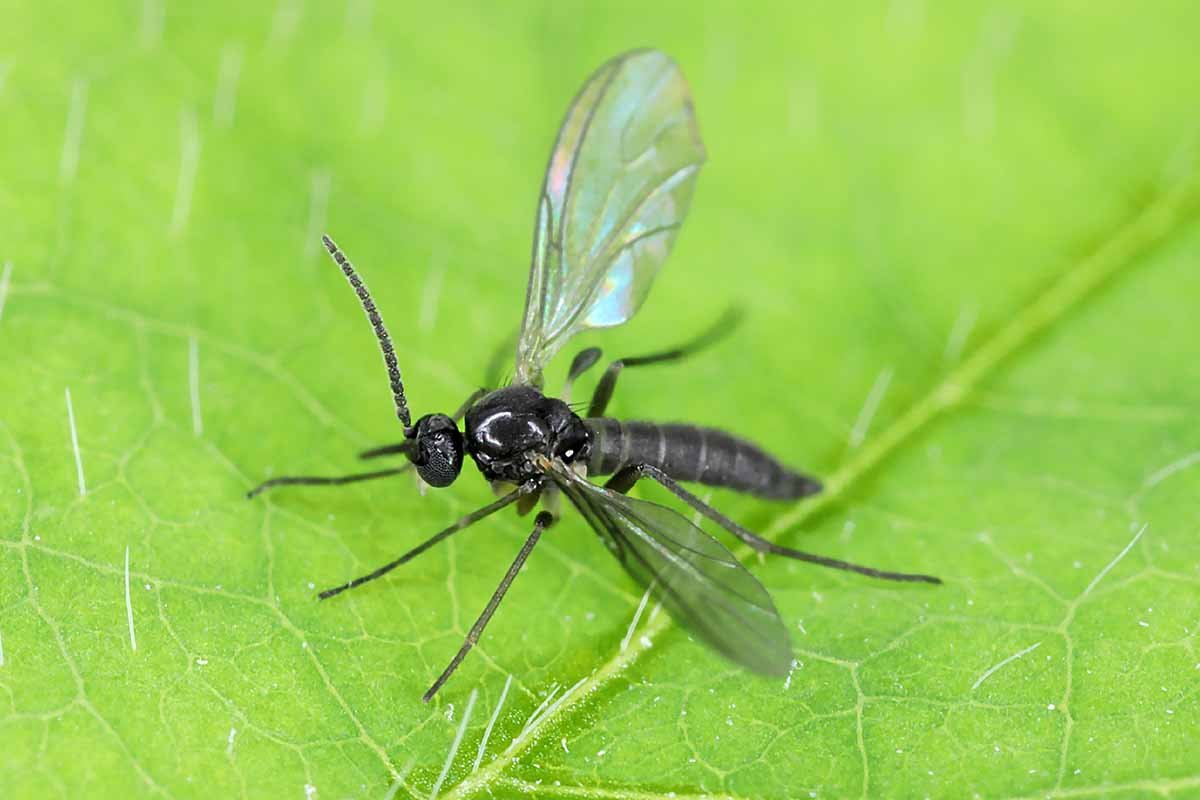
- Fungus gnats (moist soil)
Use a gentle insecticidal soap or neem oil and let the soil dry out thoroughly to prevent recurrence.
Repotting and Maintenance Tips
Moon cacti don’t need frequent repotting. However, every 2–3 years, you may need to repot due to outgrowing the container or to refresh the soil.
When to Repot
- The roots are growing out of the drainage holes
- The top part is getting too large or wobbly
- You notice pests, compacted soil, or signs of rot
Steps for Indoor Repotting
- Choose a slightly larger pot with drainage.
- Wear gloves if needed—the base has spines.
- Gently remove the cactus, shake off old soil, and inspect roots.
- Replant in fresh cactus mix and don’t water for 3–5 days post-repotting.
Tip: Avoid deep pots; a shallow container is better suited to the small root system of moon cacti.
How to Style Moon Cactus Indoors
The moon cactus’s bright top and compact size make it perfect for indoor decoration. From minimalist desks to boho bookshelves, they add a vibrant touch without needing constant care.
Decor Ideas with Moon Cactus
- Desk companion: A small ceramic planter next to your workspace
- Window sill duo: Pair with another cactus or succulent in a matching pot
- Wall shelves: Add variety and color to open shelving
- Terrarium style: Use open glass containers with gravel layers (only for experienced gardeners)
- Group displays: Combine 2–3 moon cacti of different colors for a playful contrast
Avoid placing them near vents, radiators, or anywhere prone to drafts or excessive humidity.
Moon Cactus Propagation: Can You Multiply It Indoors?
Since moon cacti are grafted, you can’t propagate them in the traditional way through offsets or leaf cuttings. However, you can re-graft a healthy colored top onto a new green base.
How to Re-Graft Indoors
- Use a sterilized knife to cleanly cut the colorful top (scion).
- Cut the top of a healthy Hylocereus (rootstock) cactus.
- Place the scion flat onto the rootstock and align the vascular rings (circular patterns in the center).
- Use rubber bands or string to secure them together.
- Keep in indirect light and avoid watering for a week.
Propagation by re-grafting requires patience and practice, so it’s better suited to advanced growers.
Is Moon Cactus Safe Around Pets?
Moon cactus is generally considered non-toxic to cats and dogs, making it a pet-friendly houseplant option. However, the spines on the base cactus can still cause irritation or injury if chewed.
Pet Safety Tips
- Keep out of reach of curious pets
- Use a tall shelf or hanging planter
- Monitor pets around new plants
Always check with your vet or refer to trusted sources like the ASPCA’s toxic plant list if unsure.
Frequently Asked Questions (FAQs)
1. Why is my moon cactus turning brown?
Brown discoloration, especially at the base, often signals overwatering or root rot. Reduce watering, check roots, and repot if needed.
2. Can I grow moon cactus in low light?
Moon cactus needs bright indirect light. It may survive in low light for a while, but the vibrant color will fade, and the plant may become weak.
3. How long does a moon cactus live indoors?
The grafted top usually lives 2–3 years, sometimes longer with excellent care. The base may outlive the top, or you can graft a new scion.
4. Does moon cactus bloom indoors?
It’s rare but possible! Given proper light and care, the base cactus may produce small flowers in spring or summer.
5. Can I separate the top from the base?
Only if you’re planning to re-graft it. On its own, the colorful top can’t survive without a chlorophyll-rich base.
Final Thoughts: A Bright Addition to Any Indoor Garden
Moon cacti bring a burst of color, whimsy, and life to your indoor space. With their low-maintenance needs and compact form, they’re ideal for apartments, office desks, or shelf displays. While they may not live as long as some other houseplants due to their grafted nature, they offer beauty and charm in their time with you.
Give your moon cactus a well-draining pot, gentle light, and careful watering, and it will reward you with vibrant color and unique presence.
Whether you’re just starting out or expanding your indoor cactus collection, the moon cactus is an excellent choice for any home.