
If you’ve ever dreamed of growing a tall, sculptural cactus that doubles as an exotic fruit producer, the Peruvian Apple Cactus might just be your new plant obsession. Often referred to by its scientific name Cereus repandus (or Cereus peruvianus in older texts), this blue-green beauty isn’t just an eye-catcher—it’s also surprisingly easy to care for and adaptable to various environments, including indoors.
Whether you’re looking for a fast-growing cactus for your garden, a columnar cactus for that sunny corner in your home, or you’re simply intrigued by the idea of a cactus that bears edible fruit, this species delivers on all fronts.
This post will walk you through everything you need to know about growing and caring for a Peruvian Apple Cactus.
From lighting and watering to soil needs, propagation tips, and how to enjoy its sweet fruit, you’ll learn how to help this tropical cactus thrive.
What Is Peruvian Apple Cactus?
The Peruvian Apple Cactus is a columnar cactus species native to South America, particularly in arid and semi-arid regions of Peru, Brazil, and Argentina. Its name comes from the juicy, edible fruit it produces, which resembles a small apple.
This cactus can grow impressively tall—up to 30 feet outdoors—though indoors, it usually remains more modest in size.
It features tall, ribbed stems with a bluish or grayish-green tint and small spines. Over time, the cactus branches out, creating a tree-like silhouette.
Why it’s loved:
- It grows fast for a cactus
- Its edible cactus fruit is mildly sweet and packed with nutrients
- It has a striking architectural shape that fits both modern and rustic décor
- It thrives in pots or ground, indoors or out
Lighting Requirements
The Peruvian Apple Cactus thrives in full sun. Outdoors, it should be placed where it receives at least 6 hours of direct sunlight daily. Indoors, it needs a bright, sunny window—preferably south-facing.
If you’re growing it inside and natural light is limited, consider using a full-spectrum grow light. Without enough light, this cactus can become leggy and pale.
Tip: Rotate the pot weekly to ensure even growth on all sides.
Watering Needs
Despite being a desert-native, this cactus isn’t as drought-tolerant as you might expect. It appreciates deep but infrequent watering.
- During the growing season (spring and summer), water when the top 2–3 inches of soil are completely dry.
- In winter, reduce watering drastically. Once every 4–6 weeks is usually enough.
Warning: Overwatering is the most common mistake. Like many succulents and cacti, the Peruvian Apple is prone to root rot if its roots sit in soggy soil.
Soil Requirements
Like all cacti, Cereus repandus needs a well-draining soil mix.
Best soil mix:
- 2 parts cactus soil or sandy potting mix
- 1 part coarse sand or perlite
- Optional: Add crushed pumice or small lava rocks for extra drainage
Avoid heavy, moisture-retaining soils at all costs.
Ideal Temperature and Humidity
The Peruvian Apple Cactus thrives in warm, arid to semi-humid environments, much like its native South American habitat. For optimal growth, aim to keep indoor temperatures between 65°F and 85°F (18°C to 29°C) during the day.
In winter, it can handle cooler temps down to 40°F (4°C), but exposure to frost or freezing conditions can be damaging or fatal—especially for potted indoor specimens. If you’re growing this cactus outdoors in a cooler climate, bring it inside once temperatures start to drop below 50°F.
Humidity isn’t a major concern with this species. In fact, it does best in low to moderate humidity. Avoid misting the plant, as unnecessary moisture can increase the risk of fungal diseases.
Dormancy Period
Like most cacti, the Peruvian Apple Cactus enters a dormant phase during the cooler months—typically from late fall to early spring. During this time, the plant’s growth slows significantly or stops altogether.
Here’s what you should do during dormancy:
- Watering: Cut back watering to once every 4–6 weeks. The plant isn’t actively absorbing moisture.
- Light: Still keep it in bright light to maintain health, but it won’t require as much intensity as during growth.
- No Fertilizing: Feeding during dormancy can confuse the plant’s natural cycle and lead to root burn or poor development.
Dormancy helps the cactus conserve energy and sets the stage for vibrant blooming and fruiting in spring and summer.
Potting and Repotting
If you’re growing your apple cactus indoors, pot selection is critical.
Potting tips:
- Choose a pot with good drainage holes
- Terracotta or unglazed clay pots are best as they allow moisture to evaporate
- Use cactus-specific potting mix
When to repot:
- Every 2–3 years or when the roots become crowded
- Spring is the best season for repotting
Handle the cactus gently—use gloves and a towel to protect yourself from spines.
Fertilizing
Feed your cactus during its active growth period (spring to early fall) using a cactus-specific fertilizer.
Fertilizing tips:
- Use a balanced or low-nitrogen liquid fertilizer (e.g., 5-10-10)
- Fertilize once a month during the growing season
- Skip feeding during dormancy
Propagation Methods
Peruvian Apple Cactus can be propagated in two main ways: cuttings and seeds.
Propagation by Cuttings
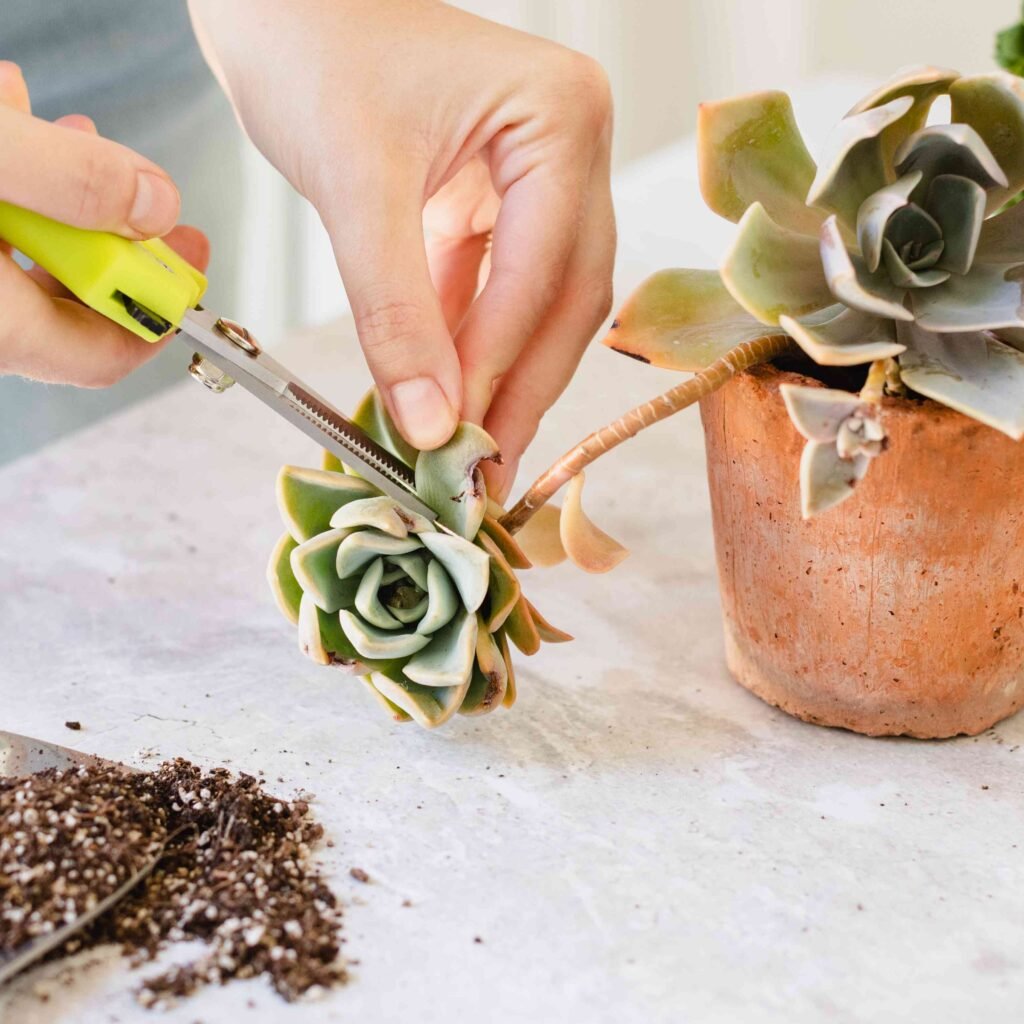
This is the easiest and most common method.
- Use a clean knife to cut a healthy stem
- Let the cutting dry for 7–10 days until a callus forms
- Plant it in dry cactus soil and water sparingly
Propagation by Seed
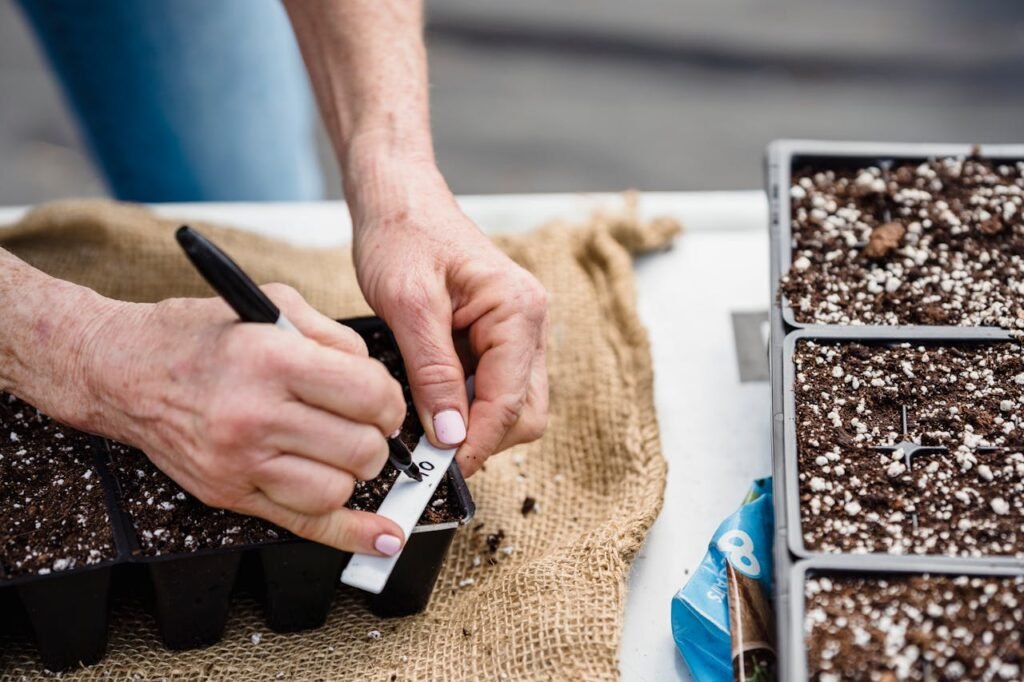
Seed propagation takes longer but is a fun project.
- Scoop seeds from a ripe fruit
- Clean and dry them
- Sow in a cactus seed-starting mix and keep warm with indirect light
Seedlings can take years to reach maturity, but it’s a rewarding journey.
Blooming and Fruit Production
One of the most magical things about the Peruvian Apple Cactus is its night-blooming flowers. These stunning, fragrant white blooms are large—sometimes up to 6 inches across—and appear suddenly in the evening, closing by sunrise.
They’re typically short-lived but captivating. Blooms often appear during late spring to early summer, especially after a healthy dormancy period. Outdoor cacti bloom more reliably, but indoor specimens can flower too with proper care.
Fruit Development:
- After successful pollination—often by moths, bats, or hand-pollination indoors—the plant produces round or oval fruits.
- The fruit turns a reddish-purple hue and is roughly the size of a lime.
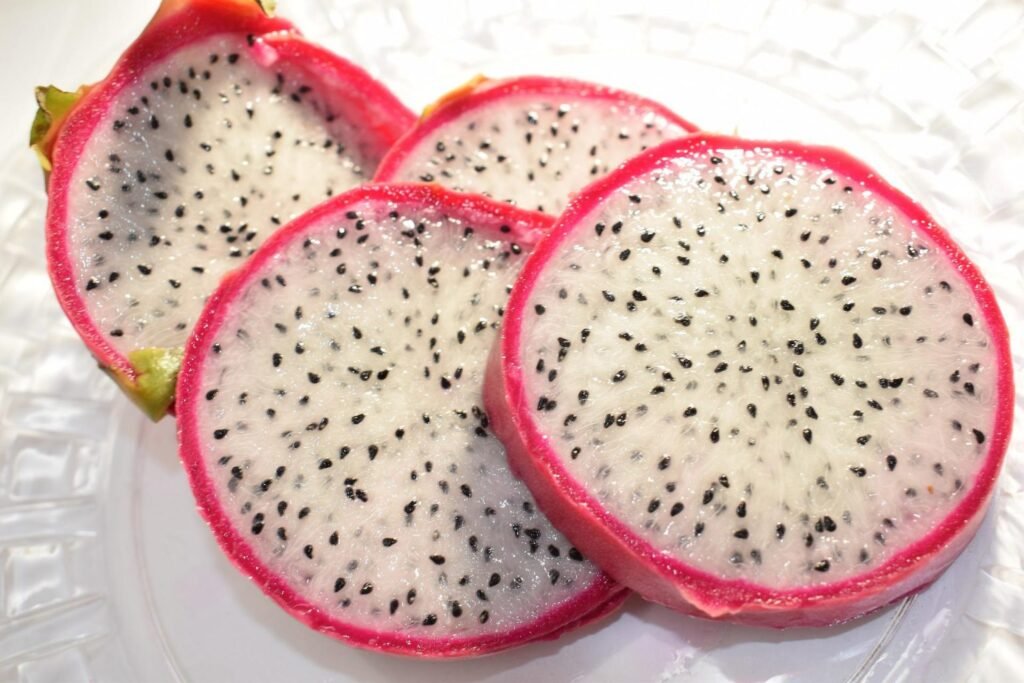
- Inside, you’ll find sweet, white flesh speckled with edible black seeds.
These fruits, also called “pitaya” or “apple cactus fruit,” are mildly sweet, refreshing, and rich in vitamin C.
Uses and Benefits
The Peruvian Apple Cactus isn’t just an architectural stunner—it offers a variety of practical and aesthetic benefits, especially for indoor gardeners and arid-region dwellers.
- Edible Fruit: The biggest draw for many growers is the delicious, sweet-tasting fruit. Packed with vitamin C and antioxidants, it’s often compared to dragon fruit in flavor and texture. It can be enjoyed fresh, in smoothies, or even added to fruit salads.
- Air Purification: Like many indoor plants, this cactus contributes to improved indoor air quality. It helps absorb carbon dioxide and releases oxygen, making your space feel fresher and more breathable.
- Low Maintenance: Perfect for busy individuals or beginners, it demands very little care while providing year-round greenery and occasional blooms.
- Ornamental Value: Its tall, ribbed, bluish-green columns and bright blooms make it a statement piece in any room or garden.
- Pollinator Friendly: Outdoors, the cactus attracts bees, moths, and even bats, helping support local ecosystems.
- Stress Reduction: Like most plants, simply being around greenery has been shown to reduce stress, improve focus, and enhance mood.
Is Peruvian Apple Cactus Toxic?
Good news for plant parents and pet lovers—the Peruvian Apple Cactus is non-toxic to both humans and pets. That makes it a safe option for homes with cats, dogs, or curious children.
However, it’s worth noting:
- The spines are sharp and can cause skin irritation or injury.
- If you have pets that like to chew on plants, place the cactus in an out-of-reach spot to avoid accidental pokes.
As always, supervise interactions and keep the plant in a safe, elevated area if you’re concerned about safety.
Common Problems and Solutions
Even tough plants like the Peruvian Apple Cactus can run into issues. Here are some of the most common and how to fix them:
1. Overwatering
Problem: Mushy stems, root rot, yellowing.
Solution: Let the soil dry completely before watering again. Use a well-draining cactus mix and a pot with drainage holes.
2. Sunburn
Problem: Bleached or brown patches on the skin.
Solution: Gradually acclimate it to direct sunlight, especially if moving from indoors to outdoors.
3. Pests
Problem: Mealybugs or spider mites appearing on the surface or between ribs.
Solution: Use a cotton swab dipped in alcohol or a neem oil spray. Keep airflow good and avoid overwatering.
4. Leaning Growth
Problem: Plant starts to tilt toward a light source.
Solution: Rotate the pot weekly to promote balanced growth.
5. Lack of Blooming
Problem: No flowers even after years of growth.
Solution: Ensure a proper dormant period in cooler months, reduce watering, and provide high light intensity during the growing season.
Drought and Salt Tolerance
The Peruvian Apple Cactus is a poster child for drought resilience. Native to arid regions of South America, it has evolved to survive long periods with little to no water, making it a perfect choice for xeriscaping or low-water gardens.
Drought Tolerance:
This cactus stores moisture in its thick, ribbed stems, allowing it to go for weeks—sometimes even months—without supplemental watering.
In fact, it’s often healthier to underwater than overwater. During dry spells, it will slow growth naturally and conserve energy without showing signs of stress, unlike many other houseplants.
Salt Tolerance:
Another notable strength is its moderate salt tolerance. This makes it a great candidate for coastal gardens or places where tap water has a higher salinity level.
While it’s best to water using filtered or rainwater when possible, the cactus won’t suffer too much from occasional salty irrigation.
Because of these qualities, the Peruvian Apple Cactus thrives not just indoors but also in harsh outdoor climates—especially in places with dry summers and sandy, less fertile soil.
Invasiveness
Unlike some fast-spreading succulents and cacti, the Peruvian Apple Cactus is not invasive. It grows upright rather than sprawling, and even when it branches out, it remains a controlled, manageable grower in most settings.
That said:
- Outdoors in ideal conditions (warm climates with lots of sun), it can grow quite tall—up to 30 feet or more.
- It’s best to provide ample vertical space or plan ahead if planting it in your garden.
If grown in containers, growth is naturally limited by the pot size, making it easy to contain in urban or indoor environments.
Design Ideas: Styling with Peruvian Apple Cactus
This cactus isn’t just functional—it’s also a design statement. Its bold vertical lines and architectural elegance make it a stunning addition to modern or rustic interiors.
Here are a few creative ways to style it:
- Minimalist Entryway: Place a single tall cactus in a stone or concrete planter to create an eye-catching entry point.
- Indoor Jungle Vibe: Pair it with hanging pothos, snake plants, or peace lilies in a well-lit corner.
- Balcony Showstopper: Use a large pot with gravel mulch on a sunny balcony or patio. Its silhouette is beautiful at golden hour.
- Edible Garden Accent: Combine it with herbs like rosemary or thyme, which also enjoy drier soil, to create a multi-functional indoor garden.
Tip: Try underplanting with small succulents like Echeveria or Haworthia for a layered look.
Frequently Asked Questions (FAQs)
Q1: How fast does a Peruvian Apple Cactus grow?
It’s considered a fast-growing cactus, especially when compared to other varieties. Expect 12–24 inches of growth annually under optimal conditions.
Q2: Can I grow it entirely indoors?
Yes, as long as you provide plenty of light—preferably near a bright, south-facing window or under a grow light—you can successfully grow and even flower a Peruvian Apple Cactus indoors.
Q3: How do I harvest and eat the fruit?
Wait until the fruit turns fully red or purplish, indicating ripeness. Twist or cut it off gently, slice open, and scoop out the soft white flesh. It’s mildly sweet and similar to kiwi or dragon fruit.
Q4: What should I do if my cactus is leaning?
This often happens due to uneven lighting. Rotate the plant weekly to ensure even sun exposure. If leaning continues, consider staking it or moving it to a brighter spot.
Q5: Will it bloom indoors?
It can, though less frequently than outdoors. A well-lit space, a proper dormant period, and overall healthy care are essential to encouraging indoor blooming.
Final Thoughts
Growing a Peruvian Apple Cactus is not just about adding greenery to your home—it’s about welcoming a unique, low-maintenance plant that surprises you with elegant blooms and edible fruit.
Its vertical structure, adaptability to indoor life, and tropical flair make it an ideal choice for modern homes, arid climates, or anyone craving a bit of desert elegance indoors.
Whether you’re in it for the aesthetics, the fruit, or the sheer satisfaction of nurturing a tall and mighty cactus, the Peruvian Apple Cactus rewards patient care with resilient beauty and subtle charm.
Give it sunlight, well-draining soil, and a little space to grow—and it’ll reward you for years to come.